




Check out this article next

If you’re planning to sell your home in 2026, there’s one feature that’s quickly becoming a deal-breaker for modern buyers — and it’s not granite countertops or smart home tech.
It’s the floor plan.
Today’s buyers aren’t just asking how many bedrooms a home has. They’re asking how it flows. They want to understand layout, functionality, flexibility, and how the space fits their daily life.
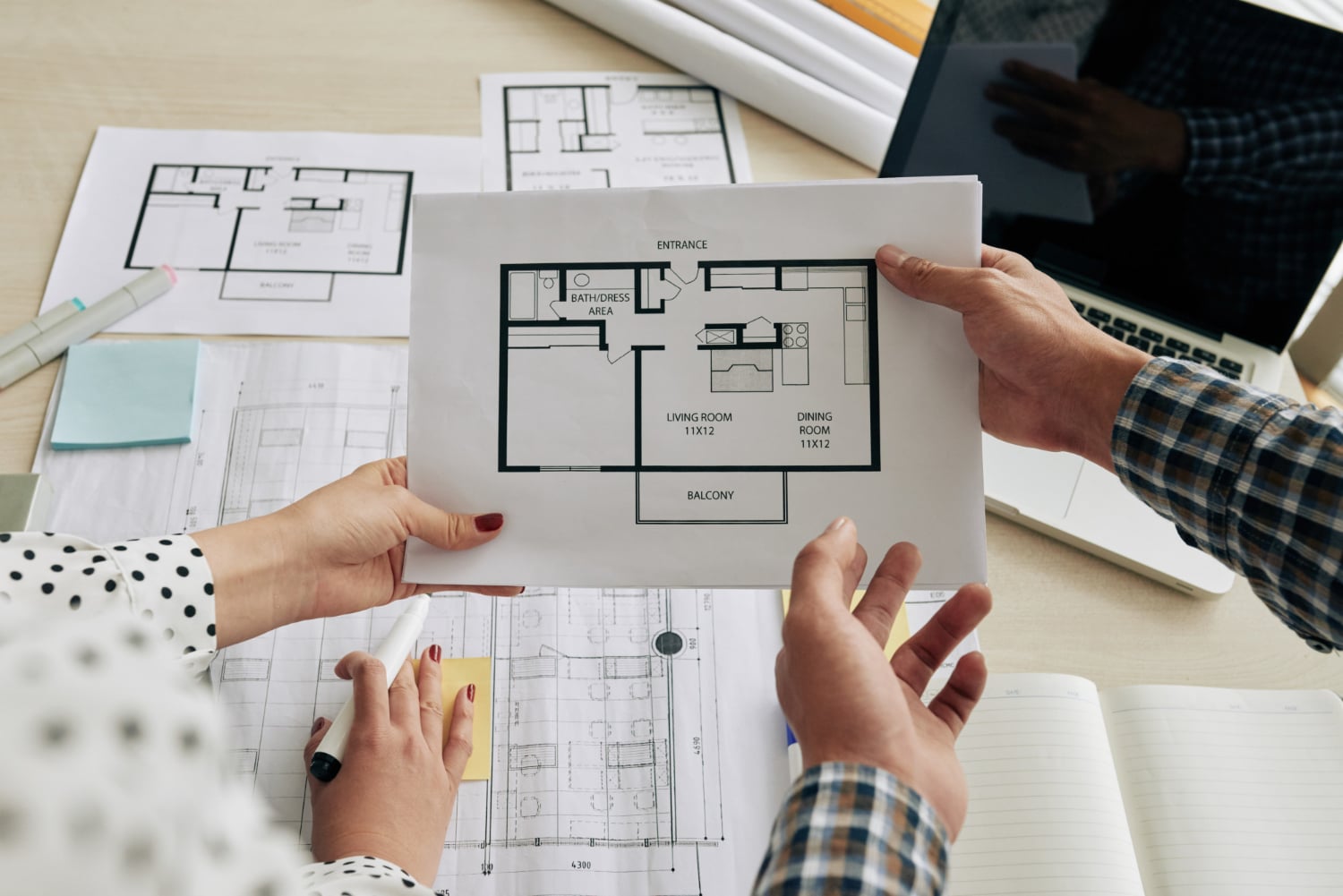
In fact, detailed floor plans for home listings are becoming one of the most important tools in real estate marketing — and homes without them are often overlooked.
Let’s break down why floor plans are now a non-negotiable for buyers in 2026.
Buyers Shop With Layout First — Not Just Specs
For years, listings focused heavily on:
- Square footage
- Bedroom and bathroom count
- Upgrades and finishes
- Lot size
While those details still matter, today’s buyers care just as much — if not more — about layout efficiency.
They’re asking questions like:
- Is the primary suite separated from guest rooms?
- Does the kitchen open into the living space?
- Is there a flex room for a home office?
- Can the dining room convert into a playroom?
- Is there privacy between living and sleeping areas?
A clear floor plan answers these questions instantly.
Without one, buyers are left guessing — and guessing creates hesitation.
Remote Work Changed Everything
The rise of hybrid and remote work permanently shifted buyer priorities.
Homebuyers in 2026 are looking for:
- Dedicated office space
- Quiet zones away from high-traffic areas
- Flexible bonus rooms
- Multi-generational living options
- Split-bedroom layouts
A listing description can mention “flex space,” but a visual floor plan shows exactly how that space functions.
When buyers can see how a room connects — or doesn’t connect — to other areas of the home, decision-making becomes faster and more confident.
Floor Plans Reduce Friction in the Buying Process
Modern buyers are efficient. They often narrow down properties before ever stepping inside.
Listings that include:
- Professional floor plan graphics
- Dimensions
- Room labels
- Clear flow visualization
Allow buyers to pre-qualify a home before scheduling a showing.
That means fewer “just browsing” appointments and more serious, motivated inquiries.
In today’s competitive market, reducing friction is everything.
Why Listings Without Floor Plans Get Skipped
Here’s the reality: when buyers scroll through listings online, they expect transparency.
If two comparable homes appear side by side and one includes:
- High-quality photos
- Video walkthrough
- Detailed floor plan
And the other does not…
The decision is easy.
Buyers are more likely to save, share, and tour the home that gives them full clarity.
In a digital-first real estate market, incomplete listings feel outdated.
The Emotional Factor: Buyers Visualize Living There
Floor plans do something powerful: they help buyers imagine their furniture in the space.
They can visualize:
- Where the sectional goes
- How far the kitchen island sits from the dining table
- If there’s room for a king bed
- Whether the kids’ rooms are close enough
That visualization builds emotional attachment before they even step inside.
And emotion drives offers.
Why This Matters for Sellers in 2026
If you’re thinking about selling, including a floor plan in your listing is no longer optional — it’s strategic.
Homes marketed with comprehensive digital assets — including floor plans — tend to:
- Attract more serious buyers
- Receive more saves and shares online
- Reduce unnecessary showings
- Create stronger perceived value
- Sell faster
In a market where buyers prioritize predictability and functionality over flashy upgrades, clarity wins.
The Future of Real Estate Marketing Is Visual and Transparent
Real estate marketing in 2026 is built around:
- Short-form video tours
- Interactive digital listings
- Lifestyle storytelling
- Clear property data
- Detailed floor plans
Buyers expect to understand a home before they visit it.
If they can’t see how it works, they’ll move on.
Thinking About Selling?
If you’re preparing to list your home, make sure it’s positioned for how buyers actually shop today.
A strategic marketing plan — including professional photography, video, and detailed floor plans — can significantly impact visibility, engagement, and final sale price.
Want to know how your home would look in today’s digital market?
Let’s talk.