



Check out this article next
In a world of bold design trends, colorful accent walls, and personality-driven interiors, you might assume buyers want more character in 2026. But when it comes to home staging psychology, one principle continues to dominate the real estate market:
Neutral tones still win.
If you’re preparing to sell your home, understanding why neutral colors matter — and how they influence buyer behavior — can directly impact your showings, offers, and final sale price.
Let’s break down the psychology behind staging and why neutral tones remain one of the smartest selling strategies in 2026.
The Psychology Behind Home Staging
Buying a home is both logical and emotional.
Buyers evaluate:
- Price
- Condition
- Layout
- Location
But they decide based on how the home makes them feel.
This is where staging psychology plays a powerful role.
When buyers walk into a home, their brains immediately begin scanning for:
- Visual clutter
- Personal identity cues
- Color intensity
- Lighting and mood
If a space feels overwhelming or overly personalized, it becomes harder for buyers to picture themselves living there.
Neutral tones solve that problem.
Why Neutral Colors Work in 2026
Despite changing design trends, neutral color palettes remain dominant in home staging for one simple reason:
They create emotional flexibility.
1. Neutrals Help Buyers Visualize Themselves in the Home
When walls are painted in bold reds, deep purples, or dramatic wallpaper patterns, buyers mentally calculate:
- “We’d have to repaint.”
- “That’s not my style.”
- “This feels too specific.”
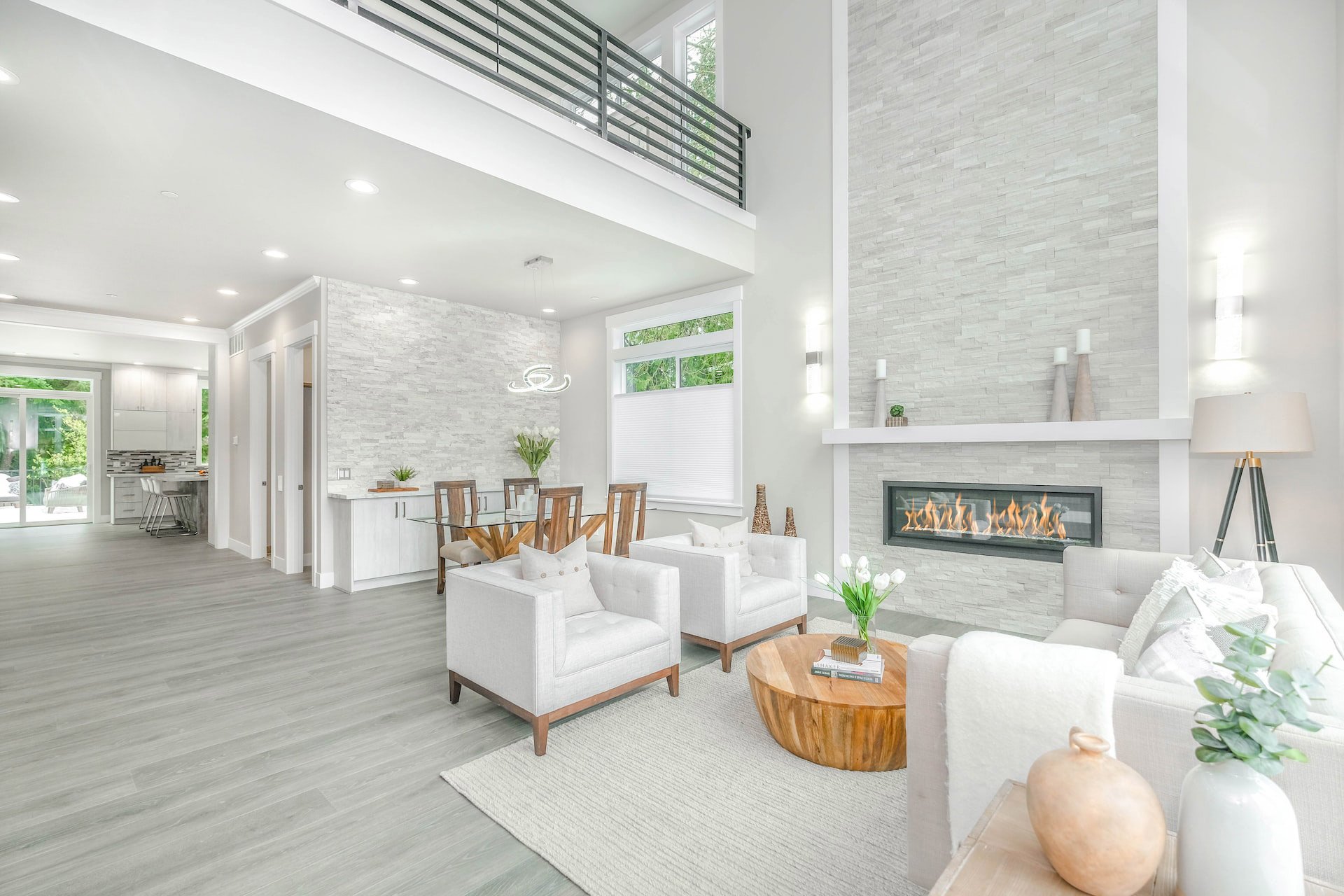
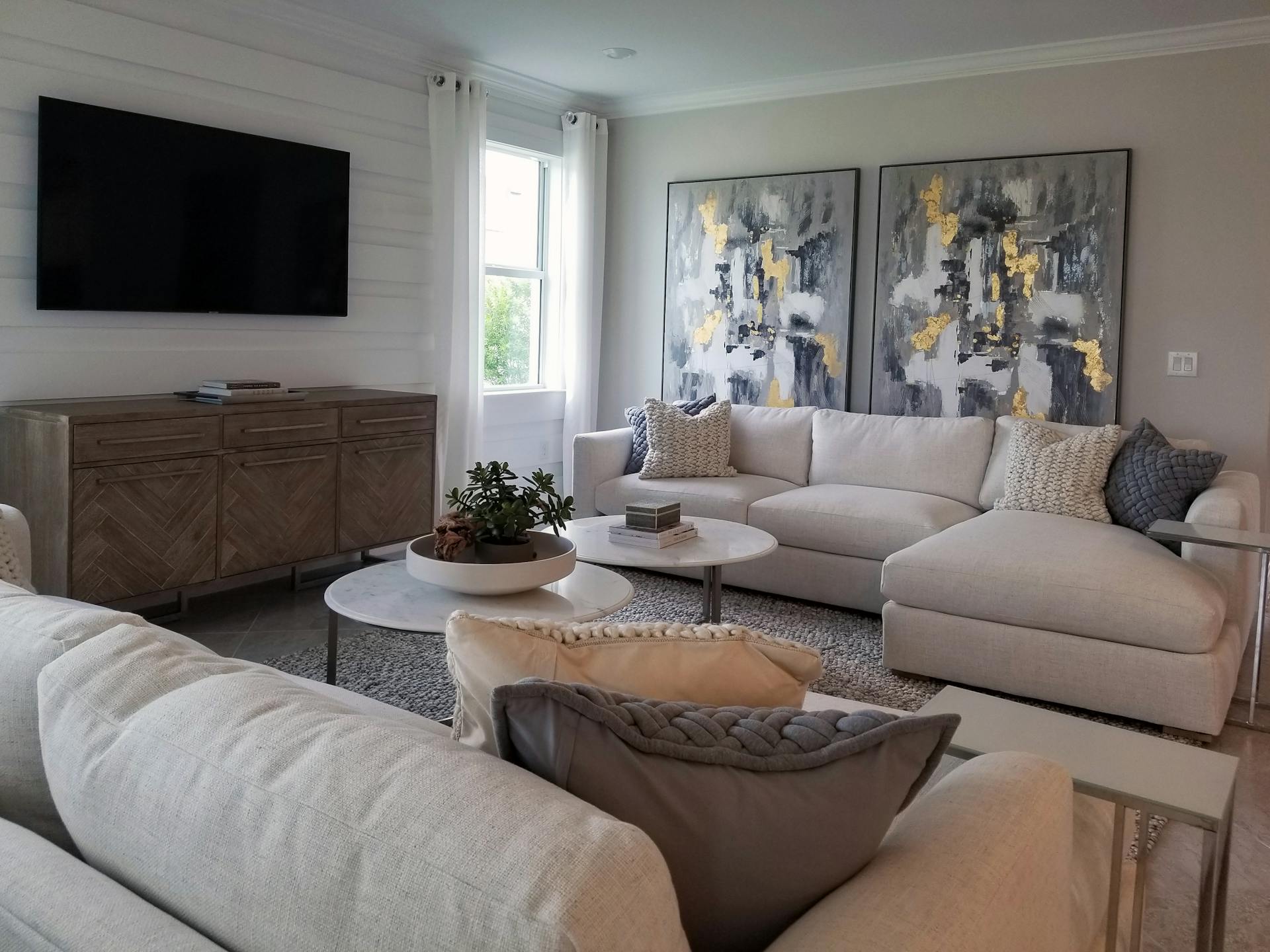
Neutral tones — think warm whites, soft grays, beige undertones, greige, and light taupes — act as a blank canvas.
Instead of seeing your taste, buyers see possibility.
2. Neutral Tones Make Spaces Feel Larger and Brighter
In 2026, buyers continue to prioritize:
- Natural light
- Open floor plans
- Airy interiors
- Multi-functional spaces
Neutral paint colors reflect light more effectively, making rooms feel:
- Bigger
- Cleaner
- More modern
In online listings especially, neutral tones photograph better, increasing click-through rates and showings.
3. Neutral Homes Appeal to a Wider Buyer Pool
One of the biggest mistakes sellers make is designing for themselves instead of the market.
Bold design narrows your buyer pool.
Neutral staging widens it.
The goal when selling is not to impress a few buyers — it’s to attract as many qualified buyers as possible. Neutral tones maximize mass appeal, which increases competition and negotiating strength.
What “Neutral” Means in 2026
Neutral doesn’t mean sterile.
Today’s best staging color palettes include:
- Warm white walls
- Soft beige with natural undertones
- Light greige (gray + beige blend)
- Muted earth tones
- Soft natural wood accents
Buyers in 2026 favor warmth over cold minimalism. Cool gray-heavy interiors from years past are fading, while warmer, inviting neutrals dominate.
The shift is subtle but important.
The Emotional Impact of Neutral Staging
Here’s what neutral tones subconsciously communicate to buyers:
- “This home is move-in ready.”
- “It’s clean and well-maintained.”
- “It feels calm and safe.”
- “I don’t have to change much.”
In today’s market, where buyers are balancing interest rates, affordability, and lifestyle priorities, simplicity reduces friction.
The easier a home feels, the faster buyers move forward.
How Neutral Tones Support Stronger Offers
Homes that feel “ready” often receive:
- Fewer objections
- Stronger emotional attachment
- Cleaner inspection negotiations
- More competitive offers
Why?
Because buyers mentally deduct costs for visible changes. If they see repainting, redesigning, or updating in their future, they price that into their offer.
Neutral staging minimizes those mental deductions.
Where to Focus First When Preparing to Sell
If you’re not ready to repaint the entire home, prioritize:
1. Main living areas
2. Kitchen and dining spaces
3. Primary bedroom
4. Entryway
These are high-impact zones where first impressions are formed.
Small updates — like neutral throw pillows, light bedding, natural décor, and minimal wall art — can dramatically shift perception without major renovations.
Staging in 2026 Is About Emotional Simplicity
The 2026 real estate market rewards homes that feel:
- Clean
- Calm
- Flexible
- Move-in ready
While bold design may trend on social media, neutral tones continue to dominate in real estate because they convert better.
Staging is not about decorating. It’s about marketing.
And neutral tones remain one of the most powerful marketing tools sellers can use.
Thinking About Selling?
If you’re preparing to list your home and wondering:
- Should we repaint?
- What colors attract buyers?
- How much staging really matters?
We can help you create a strategic plan that aligns with current market psychology and buyer expectations.
Contact us today for a personalized home selling consultation and discover how smart staging can increase your home’s value and appeal.