



Check out this article next
Sustainability isn’t just a buzzword anymore—it’s a buying decision.
Today’s homebuyers are more informed, more cost-conscious, and more future-focused than ever. Rising utility costs, climate awareness, and long-term affordability concerns are reshaping what people are willing to pay more for. And increasingly, eco-friendly homes are winning the advantage.
If you’re a homeowner thinking about selling—or a buyer evaluating long-term value—understanding which green upgrades actually move the needle can make a real financial difference.
Here’s what today’s buyers are actively looking for—and paying more to get.
Energy-Efficient Windows & Insulation
Energy efficiency consistently ranks at the top of buyer wish lists.
High-performance windows, upgraded insulation, and sealed ductwork all signal one thing to buyers: lower monthly bills. Homes that stay cooler in summer and warmer in winter don’t just feel more comfortable—they feel smarter to buy.
Buyers may not always see insulation, but they feel it during showings and notice it in utility costs. That perceived efficiency often justifies stronger offers.
Why buyers pay more:
• Reduced energy expenses
• Improved indoor comfort
• Fewer future upgrades needed
Solar Panels (When Done Right)
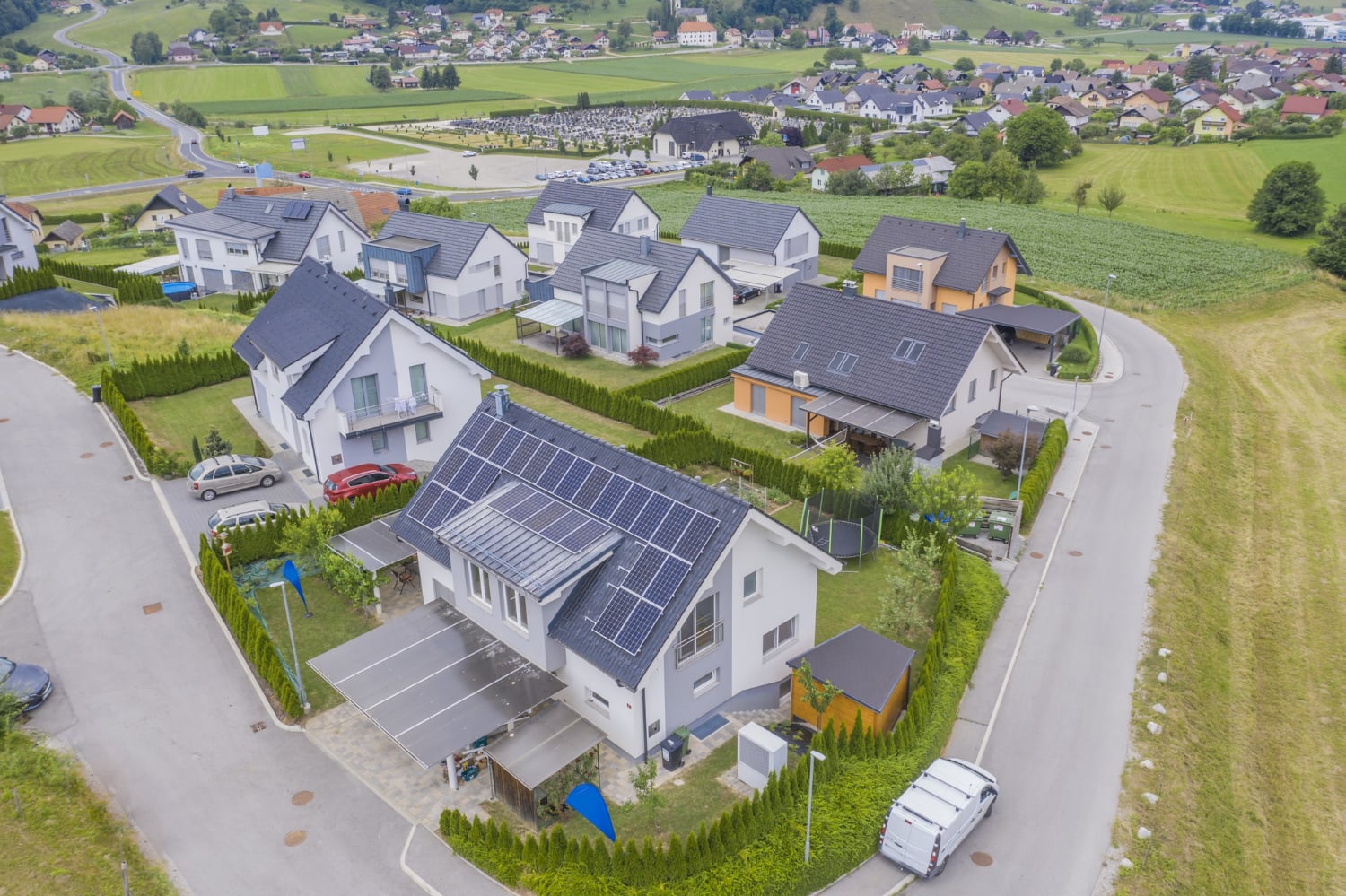
Solar power has shifted from “nice bonus” to “serious value driver”—especially in sunny markets.
Buyers are most attracted to owned solar systems rather than leased ones. Ownership means immediate savings without complicated contracts, which removes friction during the buying process.
Even buyers who don’t consider themselves eco-focused recognize solar as a hedge against rising energy costs.
Why buyers pay more:
• Long-term utility savings
• Energy independence
• Strong resale appeal
Smart Thermostats & Energy Monitoring
Smart home technology and sustainability now go hand in hand.
Programmable thermostats, energy-monitoring systems, and smart lighting help buyers visualize control—control over comfort, costs, and efficiency. These upgrades feel modern without being overwhelming, which is exactly what today’s buyers want.
Why buyers pay more:
• Lower monthly energy usage
• Convenience and automation
• A move-in-ready feel
Water-Saving Fixtures & Landscaping
Water efficiency is becoming just as important as energy efficiency.
Low-flow fixtures, water-efficient toilets, and drought-tolerant landscaping signal long-term savings and responsible ownership. Buyers increasingly factor maintenance and resource use into their purchasing decisions.
A yard that looks great and requires less water is especially appealing.
Why buyers pay more:
• Lower water bills
• Reduced maintenance
• Smarter long-term ownership
Sustainable Materials Buyers Recognize
Not all green upgrades need to be high-tech.
Buyers respond positively to materials that are durable, healthy, and low-maintenance—like bamboo flooring, reclaimed wood accents, recycled countertops, or low-VOC paints.
These upgrades subtly elevate the home while reinforcing quality and care.
Why buyers pay more:
• Cleaner indoor air quality
• Durable, long-lasting materials
• A sense of thoughtful craftsmanship
The Big Picture: Predictability Sells
At the end of the day, eco-friendly upgrades sell because they reduce uncertainty.
Homes with sustainable features feel easier to own. Buyers see fewer surprises, fewer upgrades, and fewer future expenses. That confidence translates into faster decisions, stronger offers, and smoother closings.
Sustainable doesn’t just mean better for the planet—it means better positioned in the market.
Thinking About Selling?
If you’re considering selling your home, knowing which upgrades actually pay off matters. Not every green improvement delivers the same return, but the right ones can significantly impact buyer interest and pricing.
A smart sustainability strategy isn’t about doing everything—it’s about doing what buyers value most.